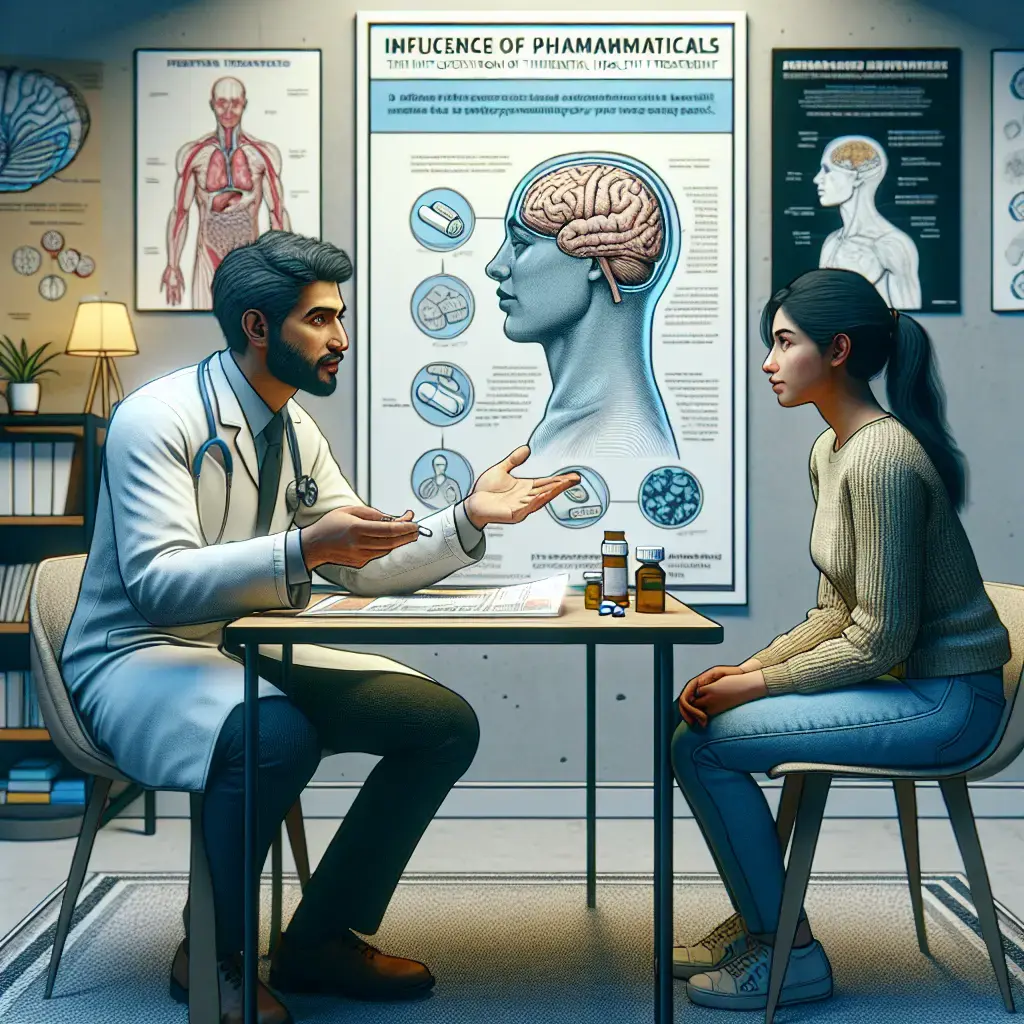
Exploring the Complex Relationship Between Pharmaceuticals and Mental Health
In recent years, the conversation around mental health has expanded, shining a spotlight on the ways in which pharmaceutical interventions, such as benzodiazepines, are utilized to manage conditions like depression and anxiety. These psychotropic medications are designed to alleviate symptoms by promoting the release of gamma-aminobutyric acid (GABA), a neurotransmitter that helps to slow down the nervous system. While they can be effective in the short term, it's essential to understand their potential for misuse and dependency.
Understanding Benzodiazepines
Benzodiazepines are often prescribed to treat anxiety disorders due to their calming effect on the nervous system. By enhancing the release of GABA, they help reduce the overactivity that contributes to feelings of anxiety and panic. However, their use is not without risks:
Risk of Dependency: Long-term use can lead to physical and psychological dependence, making it challenging for individuals to stop taking them without experiencing withdrawal symptoms.
Potential for Abuse: Due to their sedative properties, benzodiazepines can be misused, leading to an increased risk of overdose and other health complications.
Short-Term Relief: While they may provide immediate relief, these medications do not address underlying issues that contribute to anxiety and depression.
Alternative Approaches to Managing Depression and Anxiety
For those looking to manage their mental health without relying solely on medication, there are several alternative approaches that can be effective:
Therapy: Cognitive Behavioral Therapy (CBT) and other forms of psychotherapy can help individuals develop coping strategies and address the root causes of their mental health conditions.
Lifestyle Changes: Regular exercise, a balanced diet, and adequate sleep have been shown to improve mental well-being and reduce symptoms of depression and anxiety.
Mindfulness and Meditation: Practices such as mindfulness meditation can help individuals manage stress and improve emotional regulation.
Support Groups: Connecting with others who have similar experiences can provide emotional support and reduce feelings of isolation.
Conclusion
While medications like benzodiazepines can be part of a comprehensive treatment plan for depression and anxiety, it's crucial to remain informed about their potential risks and benefits. Exploring alternative therapies and lifestyle changes can offer additional avenues for managing mental health effectively. As always, consult with healthcare professionals to determine the best approach for your individual needs.
For more insights on this topic, you can read further in this article.
Warm regards,
Sophia Bennett