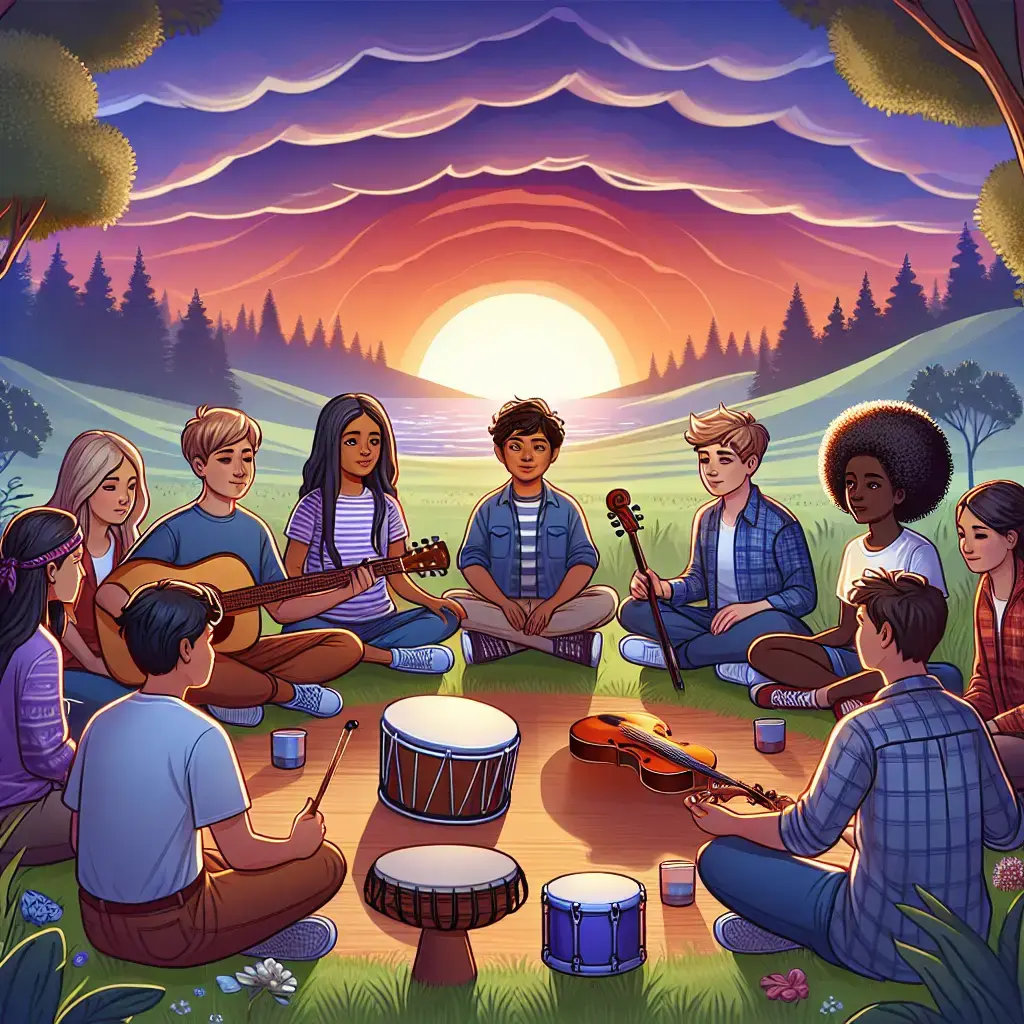
Music therapy is emerging as a powerful tool for helping teens navigate the turbulent waters of depression and anxiety.
In today's fast-paced world, mental health issues like depression and anxiety are increasingly prevalent among teenagers. Finding effective treatment options that resonate with young people is more important than ever. One innovative approach that has gained traction is music therapy—a nontraditional yet profoundly impactful method for reaching teens on an emotional level.
Why Music Therapy?
Music holds a unique place in human culture and personal experience. It is a universal language that transcends age, background, and emotional barriers. For teenagers grappling with mental health challenges, music offers a familiar and comforting presence. Here's why music therapy stands out:
Nonthreatening Familiarity: Unlike more traditional forms of therapy that can feel intimidating, music provides a safe space for teens. It allows them to express their emotions without the pressure of verbal articulation.
Emotional Connection: Music has a profound connection to the human brain and emotions. It acts as a conduit for therapists to help teens identify and explore their feelings.
Empowerment through Expression: By engaging with music, teens can learn to verbalize their emotions more effectively, gaining insights into their own mental states. This awareness empowers them to take control over how they act and feel.
The Process of Music Therapy
During music therapy sessions, therapists use various techniques to facilitate emotional healing and personal growth. These can include:
Active Listening: Encouraging teens to listen to specific pieces of music that reflect their mood or situation. This can help in processing emotions and fostering understanding.
Songwriting and Composition: Allowing teens to create their own music as a form of self-expression. This activity often helps in channeling complex emotions into something tangible and positive.
Instrumental Play: Engaging with instruments can be therapeutic, offering an outlet for physical expression and creativity.
Group Sessions: Participating in group activities can help teens build social connections, reducing feelings of isolation.
Real-Life Impact
Music therapy is more than just an alternative treatment; it’s a lifeline for many young people struggling with mental health issues. By providing them with tools to understand and manage their emotions, music therapy helps teens develop resilience and coping strategies that they carry into adulthood.
A Path Forward
As society continues to address the mental health crisis among teenagers, embracing diverse therapeutic approaches like music therapy is crucial. It is not only about treating symptoms but also about nurturing emotional intelligence and self-awareness in young individuals.
For those interested in exploring how music therapy can be a part of mental health care, you can read more about its impact here.
In conclusion, if you or someone you know is dealing with depression or anxiety, consider the healing power of music therapy. It might just be the key to unlocking a healthier, happier future.
Remember, every note played brings us closer to understanding and healing.
Warm regards,
Sophia Bennett